


Test facilities
Reverberation time testing, sound transmission and PA and venue site studies: measured on site, simulated in our software, and reported.
Related
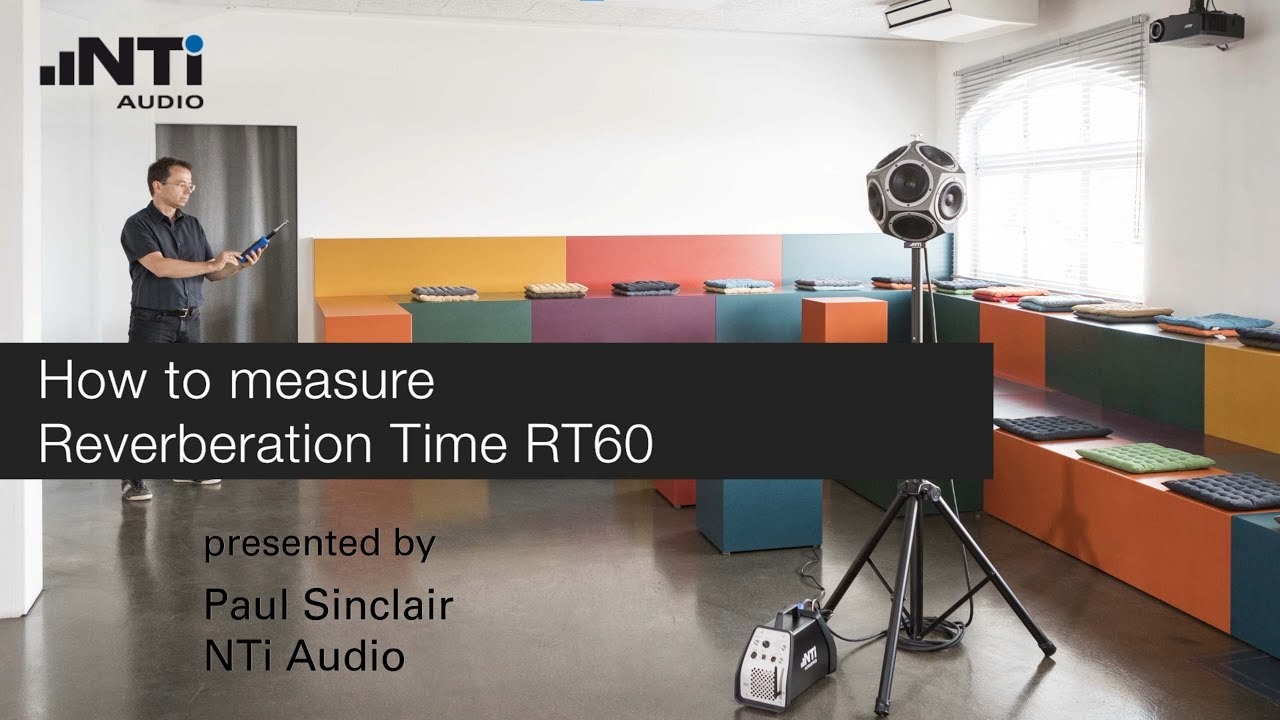
RT (reverberation time) testing: software-based
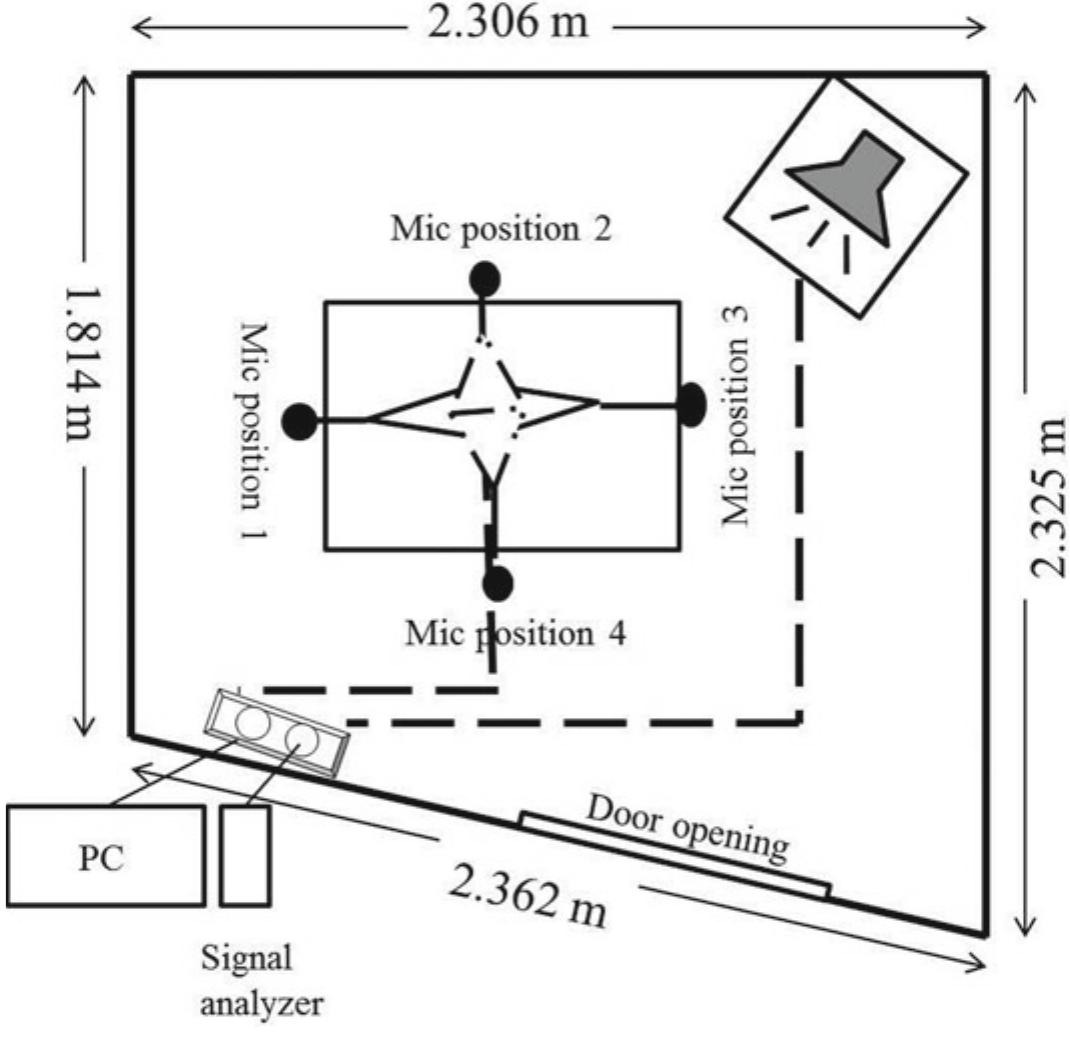
Reverberation time (RT60) is how long sound takes to decay by 60 dB after a source stops. It decides whether speech is clear or muddy in a hall, classroom or studio. We measure it on site with a calibrated measurement microphone (omnidirectional, with a stand and preamp), an audio interface and a dodecahedron or omni loudspeaker. Our acoustic software then processes the recordings.
At site we play swept-sine or MLS signals, or burst a balloon or starter pistol in the room. The software calculates impulse responses and gives RT60, EDT, T20/T30, C50 (speech clarity), C80 (music clarity), D50 and STI per octave band from 125 Hz to 4 kHz. We repeat the readings at several microphone and source positions and average them.
The same software lets us simulate the room before any treatment is installed. We model absorbers, diffusers, ceilings and wall panels, compare predicted and measured values and fix the treatment to the target RT for the room’s use. After the work is complete we measure again and issue a report, so the client sees before and after results.
STC: sound transmission and flanking
Sound requirement: PA and venue site study
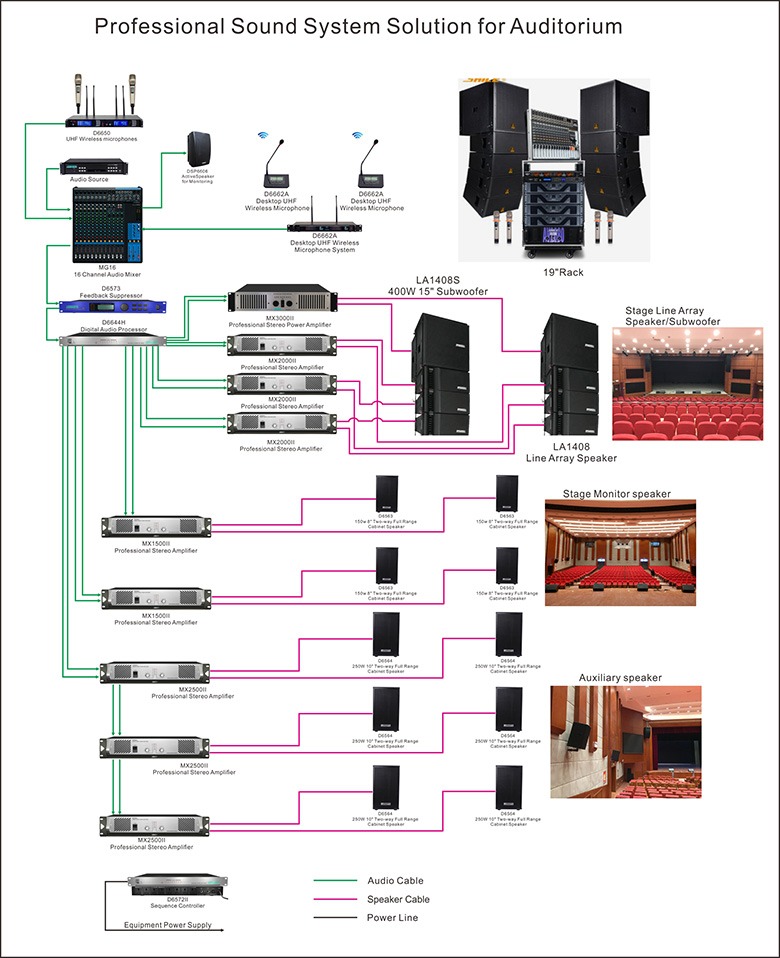
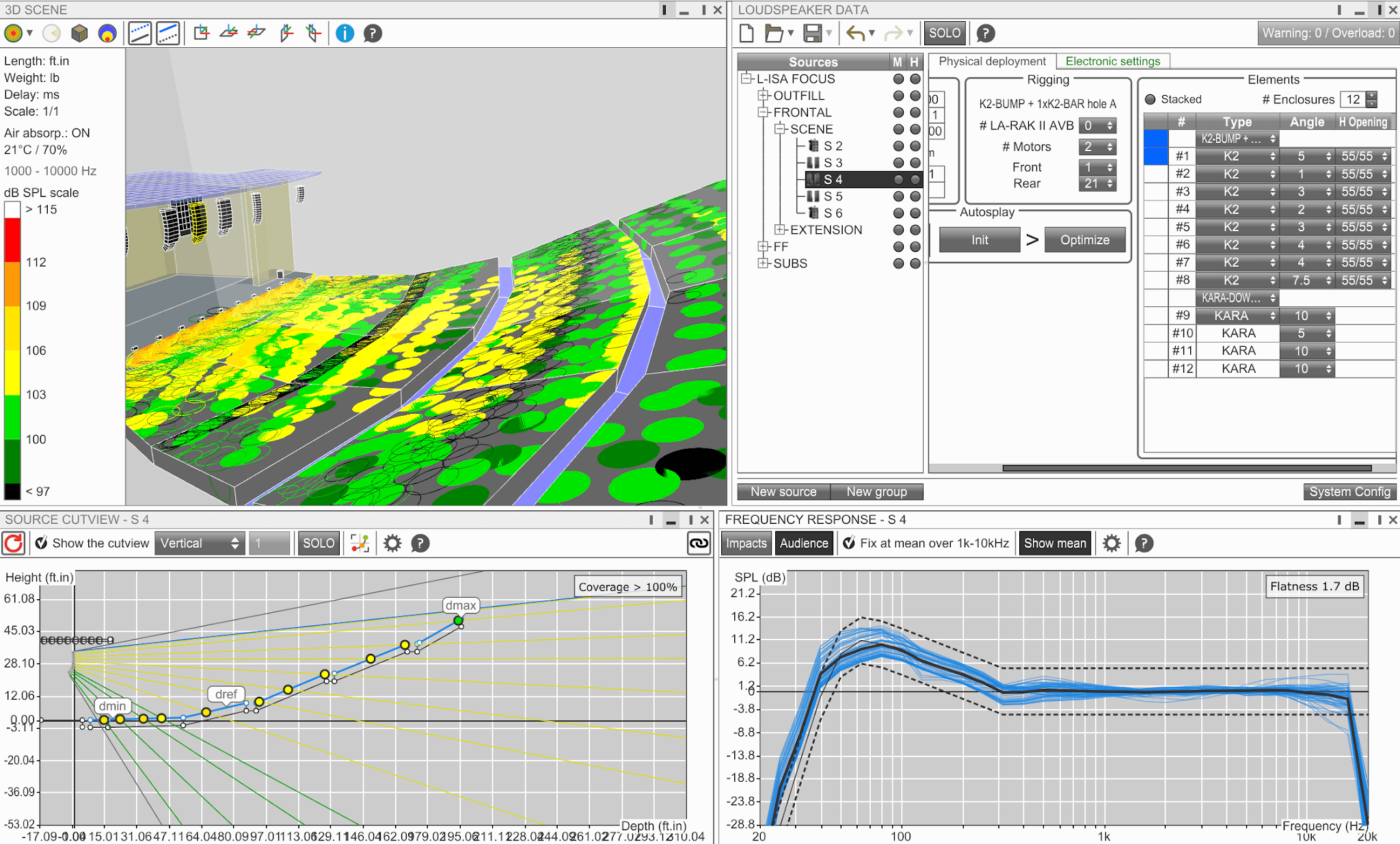
Define the use
- Speech only: conference rooms, classrooms, courts. Clarity matters most; a target STI of at least 0.60 is usual.
- Speech and music: auditoriums, banquet halls, worship halls. These need wider bandwidth and more headroom.
- Live performance: stages and clubs. These need high SPL, monitors and a mixing position.
- Video conferencing: needs echo control, ceiling or table microphones and a DSP.
Survey the room
- Length, width and height, seating plan, balcony or stage, and the audience area.
- Surfaces: glass, concrete and hard floors reflect sound, while carpet, curtains and acoustic panels absorb it.
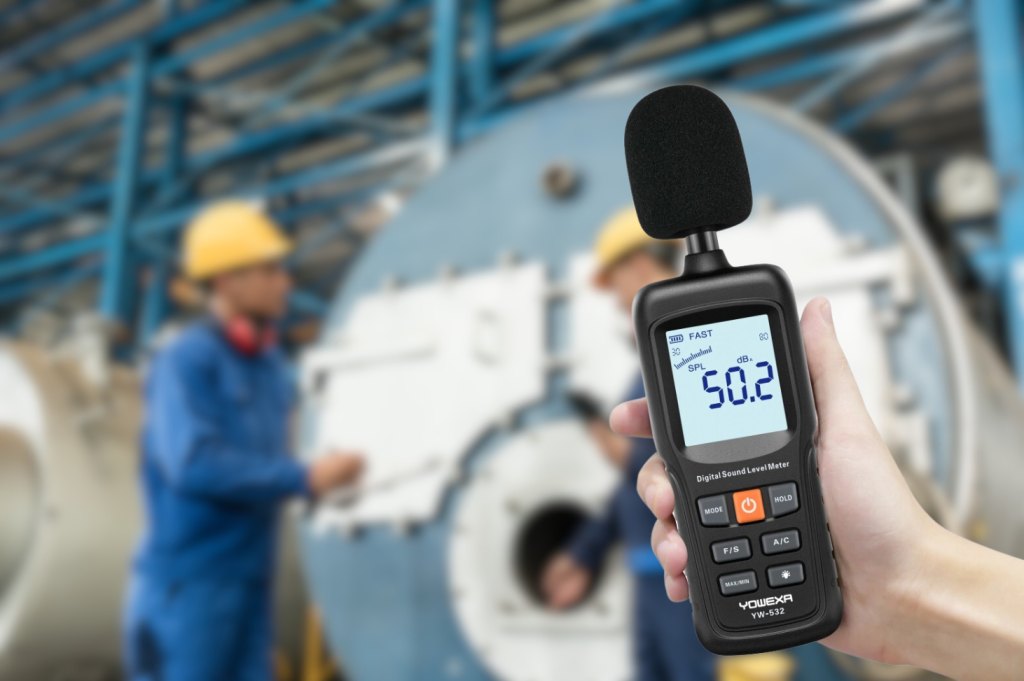
- Background noise from air-conditioning, outside traffic and nearby rooms. The system must exceed it by 10 to 15 dB.
- RT60. A long RT, over about 1.2 s for speech, hurts clarity however good the speakers are.
Set the performance targets
- Level: about 75 to 80 dB SPL for speech and 90 to 100 dB for music at the listener.
- Coverage: a variation of no more than ±3 dB across all seats.
- Clarity: STI, C50 and speech-intelligibility targets.
- Feedback margin: enough gain before feedback for the microphones in use.
Design from the results
| Speaker type and count | Room shape, throw distance and RT: line array, column, ceiling or distributed |
|---|---|
| Amplifier power | SPL target plus 6 to 10 dB headroom |
| Microphones | Wired, wireless, gooseneck, lectern or ceiling, depending on use |
| Mixer and DSP | Number of inputs, feedback control, delays for rear zones and presets |
| Cabling and racks | 70/100 V line or low impedance, rack position and power |
| Acoustic treatment | Needed if RT or echo is too high for the system to work |
Verify
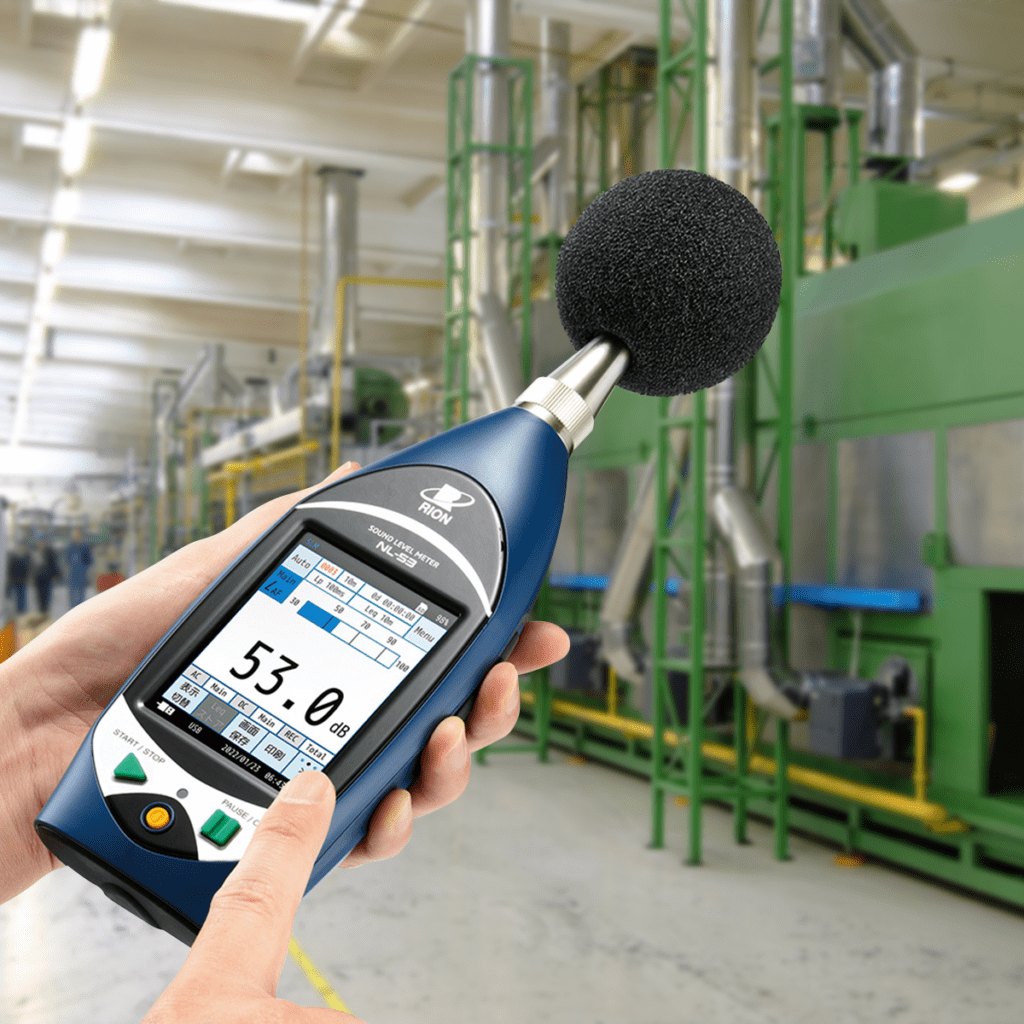
After installation we tune the system with measurement microphones, check coverage and STI at the seats, and give a commissioning report.
Tell us the room
Send dimensions and intended use. You get back an indicative acoustic treatment, a systems outline and a budget range.